

Overview Table: Beginner-Friendly Homemade Cooking at a Glance
| Aspect | Common Beginner Challenge | Simple Solution | Long-Term Benefit |
|---|---|---|---|
| Skills | Fear of cooking mistakes | Basic techniques and practice | Cooking confidence |
| Ingredients | Complex or unfamiliar items | Everyday, easily available foods | Reduced cost and waste |
| Time | Long preparation hours | Quick, one-pan recipes | Consistent home cooking |
| Equipment | Limited kitchen tools | Minimal utensil usage | Low entry barrier |
| Taste | Bland or inconsistent results | Balanced seasoning basics | Better flavor control |
| Nutrition | Reliance on packaged food | Simple homemade meals | Improved health |
| Budget | High food expenses | Home-cooked alternatives | Monthly savings |
Understanding Cooking as a Beginner
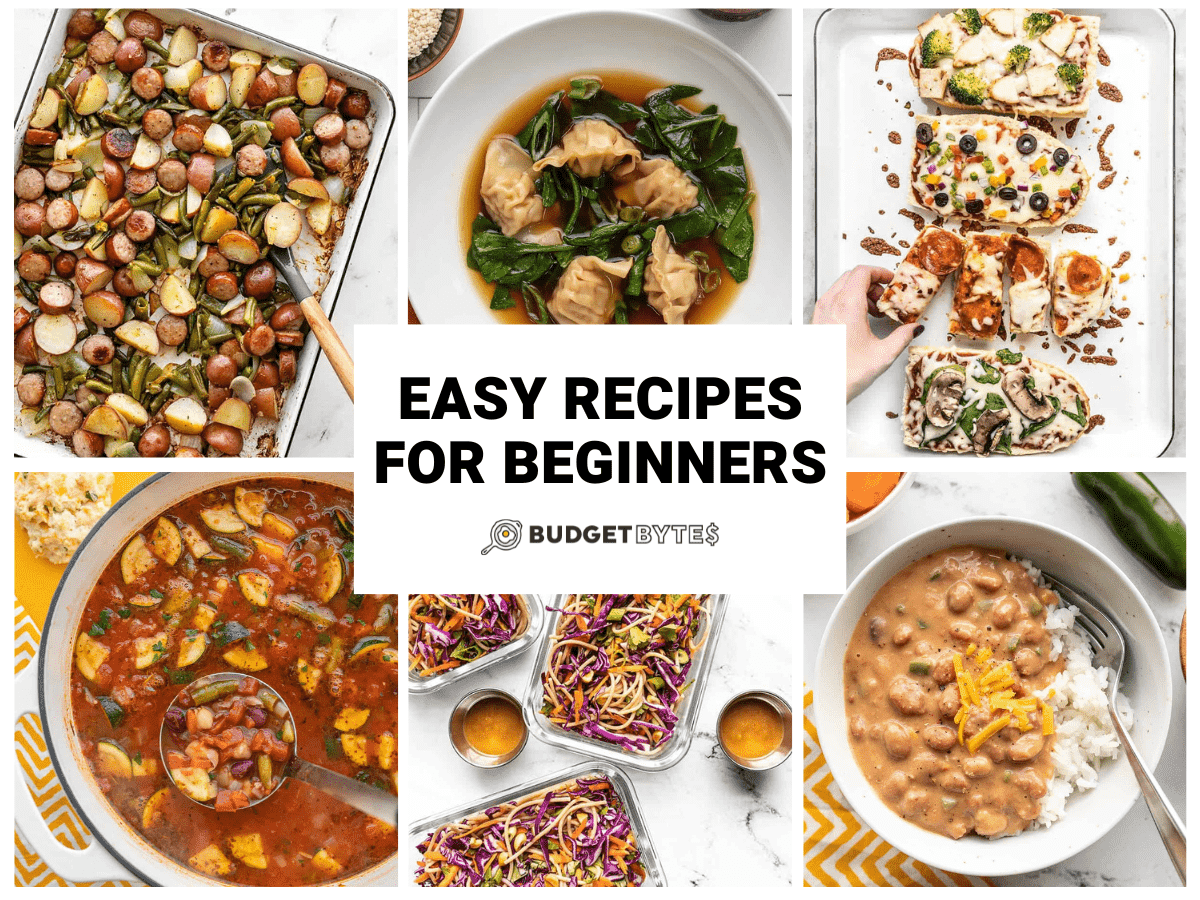
Recipes for Beginners Cooking often feels intimidating to beginners, not because it is inherently difficult, but because it is misunderstood. Many people associate cooking with complex recipes, professional skills, and perfect outcomes. This misconception discourages beginners before they even start.
In reality, cooking is a practical life skill built gradually through repetition and understanding. Most everyday meals rely on simple methods like boiling, sautéing, roasting, or simmering. Once these foundations are understood, cooking becomes less about strict rules and more about awareness, timing, and taste.
Homemade Recipes for Beginners cooking is especially important for beginners because it provides control. You control ingredients, portions, hygiene, and flavor. Even imperfect dishes teach valuable lessons that improve future results.
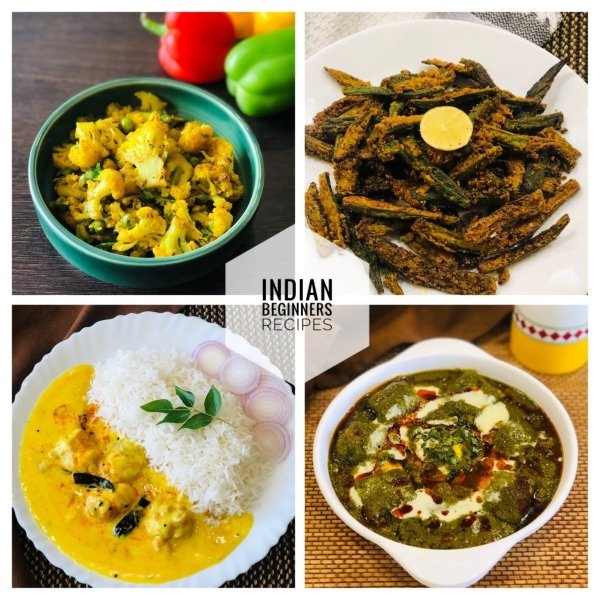
Cooking at home can feel intimidating for beginners. Many associate it with complex recipes, unfamiliar ingredients, and long hours in the kitchen. However, homemade cooking is not about perfection—it is about learning, experimenting, and gaining confidence with each meal prepared.
Easy homemade recipes provide a practical entry point for anyone starting their cooking journey. They rely on simple ingredients, minimal equipment, and straightforward techniques, making it possible to create tasty, wholesome meals without feeling overwhelmed. Beyond flavor, cooking at home gives beginners control over nutrition, cost, and portion sizes, while reducing reliance on processed or takeout food.
This guide is designed to help beginners step into the kitchen with clarity and confidence. It covers basic techniques, essential tools, and simple recipes for breakfast, lunch, dinner, and snacks. Alongside practical instructions, it explains the reasoning behind each step, helping new cooks understand not just how to cook, but why each method works. By following these strategies, beginners can build skills, reduce stress, and enjoy the satisfaction of preparing meals from scratch.
Why Easy Homemade Recipes Matter for Beginners
Building Confidence Through Simplicity
Easy recipes reduce the risk of failure. When beginners succeed with simple dishes, confidence grows naturally. This confidence encourages experimentation and consistency.
Complex recipes often overwhelm new cooks with too many steps, ingredients, and techniques at once.
Health and Nutrition Awareness
Homemade Recipes for Beginners meals allow to understand what goes into their food. Reducing excess oil, sugar, and preservatives becomes easier when cooking at home.
Over time, this awareness leads to healthier eating habits without strict dieting.
Cost Control and Practical Living
Eating out or relying on packaged food increases expenses. Simple homemade Recipes for Beginners use affordable ingredients and reduce unnecessary spending.
For students, working professionals, and families, this financial benefit is significant.
Setting Up a Beginner-Friendly Kitchen
Essential Tools for Basic Cooking
A beginner does not need a fully equipped kitchen. A few essential tools are enough to prepare most easy recipes.
A basic kitchen setup includes a pan, a pot, a knife, a cutting board, a spoon, and a spatula. These tools cover most beginner recipes without complexity.
Understanding Heat Control
Heat management is one of the most important skills in cooking. Beginners often cook on high heat, leading to burning or uneven cooking.
Learning when to use low, medium, or high heat improves results instantly.
Ingredient Preparation and Organization
Preparing ingredients before cooking reduces mistakes. Chopping vegetables, measuring spices, and keeping items ready creates a smoother cooking process.
This habit, often called mise en place, prevents confusion during cooking.
Fundamental Cooking Techniques Every Beginner Should Know
Boiling and Simmering
Boiling is used for pasta, rice, eggs, and vegetables. Simmering involves gentler heat and is ideal for soups, curries, and sauces.
Understanding the difference prevents overcooking and improves texture.
Sautéing and Stir-Frying
Sautéing cooks food quickly using moderate heat and minimal oil. It is perfect for vegetables, eggs, and quick meals.
Stir-frying requires constant movement to avoid burning and ensures even cooking.
Roasting and Baking Basics
Roasting uses dry heat to cook vegetables or proteins evenly. Baking follows similar principles but is more precise.
These methods are forgiving and ideal for beginners because they require minimal supervision.
Easy Breakfast Recipes for Beginners
Simple Vegetable Omelette
Eggs are one of the most beginner-friendly ingredients. A vegetable omelette teaches heat control, seasoning, and timing.
Beating eggs properly and cooking on low heat ensures a soft texture and good flavor.
Basic Poha or Flattened Rice Dish
This light breakfast introduces Recipes for Beginners to sautéing spices and vegetables gently.
The recipe is forgiving and allows customization based on available ingredients.
Homemade Oatmeal Variations
Oatmeal is quick, nutritious, and flexible. It can be prepared sweet or savory with minimal effort.
Recipes for Beginners learn boiling, stirring, and consistency control through this dish.
Easy Lunch Recipes for Beginners
One-Pot Vegetable Rice
One-pot meals simplify cooking by reducing steps and cleanup. Vegetable rice teaches balance between water, heat, and seasoning.
It is an ideal Recipes for Beginners for understanding proportions.
Basic Dal or Lentil Curry
Dal introduces slow cooking and spice layering. It teaches patience and the importance of timing.
The forgiving nature of lentils makes this dish beginner-friendly.
Simple Pasta with Homemade Sauce
Cooking pasta introduces boiling and timing. Preparing a simple sauce teaches flavor balance using basic ingredients.
This dish builds confidence in combining components.
Easy Dinner Recipes for Beginners
Stir-Fried Vegetables
This recipe focuses on cutting consistency, heat control, and quick cooking.
It encourages Recipes for Beginners to taste and adjust seasoning.
Simple Chicken or Paneer Curry
Protein-based curries teach browning, simmering, and flavor development.
Recipes for Beginners learn how slow cooking enhances taste.
Basic Khichdi or Rice and Lentil Dish
Khichdi is one of the most forgiving dishes. It teaches boiling, consistency control, and gentle seasoning.
It is ideal for Recipes for Beginners seeking comfort food.
Easy Snacks and Light Meals
Homemade Sandwich Variations
Sandwiches introduce layering flavors and textures.
They are flexible and allow experimentation without risk.
Simple Upma or Savory Semolina Dish
Upma teaches roasting, water control, and continuous stirring.
Recipes for Beginners learn the importance of preparation and timing.
Roasted Vegetables or Chaat-Style Snacks
Roasting snacks teaches oven or pan control with minimal oil.
These snacks are healthier alternatives to packaged foods.
Common Beginner Cooking Mistakes and How to Avoid Them
Overcomplicating Recipes
Recipes for Beginners often add too many ingredients. Simplicity leads to better results.
Mastering basic flavors first creates a strong foundation.
Ignoring Taste Testing
Tasting food during cooking helps adjust seasoning gradually.
Skipping this step leads to bland or over-seasoned dishes.
Cooking Without Patience
Rushing cooking processes leads to uneven results.
Allowing food to cook properly improves texture and flavor.
Understanding Ingredients and Substitutions
Choosing Fresh Ingredients
Fresh vegetables, spices, and grains improve flavor naturally.
Recipes for Beginners should prioritize quality over quantity.
Learning Basic Substitutions
Not every ingredient needs an exact match. Simple substitutions prevent unnecessary grocery trips.
This flexibility reduces stress.
Managing Spices Carefully
Spices enhance food but should be used moderately.
Understanding spice balance prevents overpowering dishes.
Developing Cooking Confidence Over Time
Repeating Recipes
Repetition builds muscle memory and familiarity.
Cooking the same dish multiple times improves consistency.
Learning From Mistakes
Mistakes are part of cooking. Burnt or undercooked food teaches valuable lessons.
Each error improves future outcomes.
Gradual Experimentation
Once basics are mastered, small changes like adding herbs or vegetables encourage creativity.
Confidence grows naturally through exploration.
Meal Planning for Beginners
Planning Simple Weekly Menus
Planning reduces daily decision-making and waste.
It encourages balanced meals throughout the week.
Batch Cooking and Storage
Cooking larger portions saves time and energy.
Proper storage ensures food safety and convenience.
Grocery Shopping With Purpose
Shopping with a plan avoids impulse purchases.
Recipes for Beginners learn to buy only what they need.

Nutrition and Balance in Beginner Cooking
Understanding Balanced Meals
A balanced meal includes carbohydrates, proteins, fats, and vegetables.
Easy recipes can still be nutritionally complete.
Reducing Dependency on Processed Food
Homemade meals naturally reduce salt and additives.
Over time, taste preferences shift toward fresh food.
Portion Awareness
Cooking at home improves portion control.
Beginners learn to eat according to hunger, not packaging.
Cooking as a Life Skill, Not a Task
Emotional Benefits of Cooking
Cooking reduces stress and increases mindfulness.
It creates a sense of accomplishment and independence.
Cultural and Family Connections
Homemade recipes preserve traditions and shared experiences.
Cooking strengthens personal and family bonds.
Long-Term Impact on Lifestyle
Consistent home cooking supports health, finances, and self-reliance.
It becomes a sustainable habit rather than a temporary effort.
Final Thoughts: Starting Small and Cooking with Confidence
Easy homemade recipes are not about perfection. They are about progress. Every simple dish prepared at home builds skill, confidence, and understanding. Beginners do not need advanced techniques or expensive ingredients to cook well. They need patience, curiosity, and consistency.
Cooking is a journey where small improvements matter more than flawless results. By focusing on simple recipes, understanding basic techniques, and learning from experience, anyone can become comfortable in the kitchen. Over time, homemade cooking transforms from a challenge into a reliable, enjoyable part of everyday life.
Cooking at home as a beginner is less about perfection and more about progress. Each simple dish you prepare builds skill, confidence, and understanding of flavors, techniques, and timing. Easy homemade recipes are stepping stones—they transform the kitchen from an intimidating space into a place of creativity and learning.
Starting small, focusing on basic techniques, and repeating simple recipes helps beginners develop consistency. Mistakes are part of the learning process, and every error teaches valuable lessons that improve future results. Over time, cooking at home becomes not just a task, but a practical life skill that supports health, budget, and self-reliance.
