


Overview Table: Home-Style Daily Cooking Essentials
| Aspect | Description |
|---|---|
| Cooking Style | Simple, balanced, familiar flavors |
| Ingredients | Everyday pantry staples and fresh produce |
| Techniques | Basic frying, boiling, sautéing, pressure cooking |
| Time Requirement | Short preparation and cooking time |
| Nutritional Focus | Balanced meals with grains, vegetables, and protein |
| Flexibility | Easily adaptable to taste, availability, and season |
Home Style Recipes Daily cooking is not about complexity, presentation, or restaurant-style perfection. It is about nourishment, familiarity, balance, and sustainability. Across households, home-style cooking represents comfort, routine, and a deep connection between food and everyday life. These are the meals cooked repeatedly, adjusted instinctively, and remembered emotionally. They fuel families, support health, and create a rhythm in daily living.
In modern life, where time is limited and processed food is easily available, simple home-style cooking has become both a necessity and a conscious choice. It prioritizes fresh ingredients, straightforward techniques, and efficient preparation without compromising taste or nutrition. This article explores simple home style recipes for daily cooking, focusing on principles, techniques, planning, and practical Home Style Recipes that fit naturally into everyday routines.
The tone blends narrative storytelling of home kitchens, analytical understanding of nutrition and efficiency, technical clarity in methods, and a journalistic overview of why home-style cooking remains essential today.
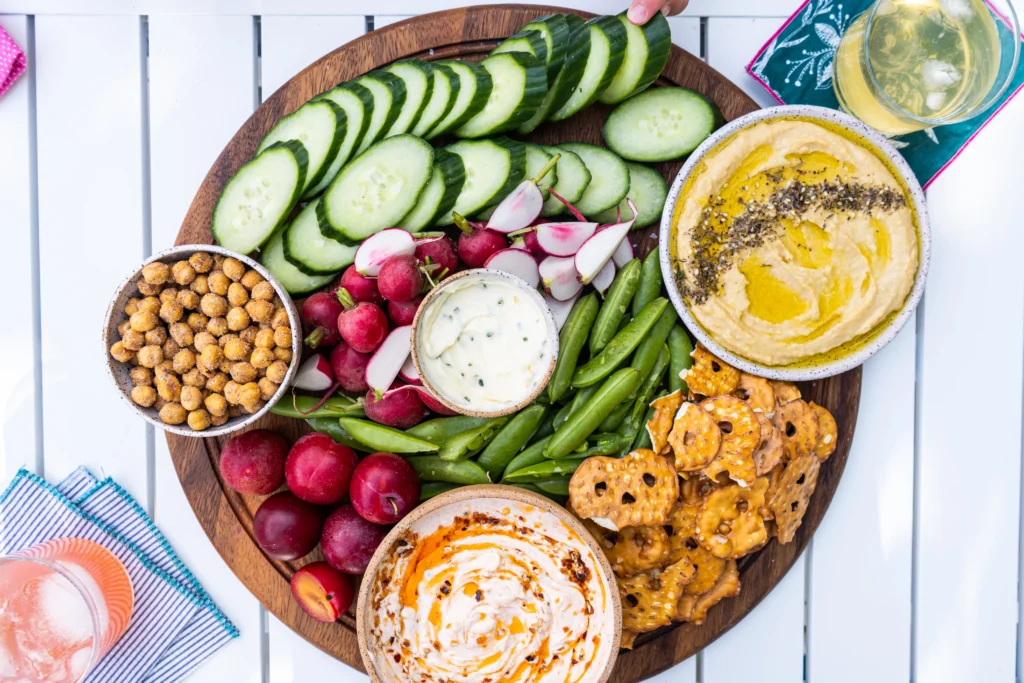
Understanding Home-Style Cooking
Home-style cooking represents the everyday meals prepared in households using simple techniques, familiar ingredients, and practical methods. It is not driven by trends or presentation but by routine, comfort, and nourishment. These meals are usually cooked without strict measurements, guided by experience, taste, and availability rather than written Home Style Recipes.
At its core, home-style cooking focuses on balance. Meals typically include a staple grain, vegetables, and a source of protein, creating complete nutrition without excess. Cooking methods are gentle and efficient, such as boiling, sautéing, or pressure cooking, which preserve nutrients and make food easy to digest. Spices and seasonings are used thoughtfully to enhance flavor rather than overpower it.
What Defines Home-Style Recipes
Home style recipes are characterized by simplicity and repetition. They are meals prepared regularly without strict measurements, guided more by experience than written instructions. These Home Style Recipes adapt to what is available in the kitchen rather than demanding special ingredients.
Unlike festive or restaurant food, Home Style Recipes cooking focuses on digestibility, moderate seasoning, and consistency. The goal is satisfaction, not novelty.
Why Simple Cooking Matters in Daily Life
Daily cooking must fit into busy schedules. Simple Home Style Recipes reduce mental fatigue, save time, and make cooking a sustainable habit. When meals are easy to prepare, people are more likely to cook at home, leading to healthier eating patterns and reduced dependence on packaged food.
The Balance Between Taste and Nutrition
Home Style Recipes cooking naturally balances carbohydrates, proteins, fats, and fiber. Meals are often built around staple grains, vegetables, and modest portions of protein. Cooking methods are less aggressive, preserving nutrients and aiding digestion.
Building a Home-Style Kitchen Foundation
A strong Home Style Recipes kitchen foundation is built on simplicity, reliability, and thoughtful organization. The goal is not to stock rare or expensive items, but to ensure that everyday cooking can happen smoothly without stress or frequent trips to the market. A well-prepared kitchen supports consistency, saves time, and makes daily cooking enjoyable rather than tiring.
At the heart of a Home Style Recipes kitchen are essential pantry staples. Grains such as rice and wheat flour, along with lentils and basic legumes, form the backbone of daily meals. Cooking oils, salt, and a small set of commonly used spices provide flavor while keeping preparation straightforward. These items allow a wide range of meals to be cooked with minimal planning.
Essential Pantry Staples
A well-stocked pantry simplifies daily cooking. Staples form the base of countless meals and reduce the need for frequent grocery trips.
Grains such as rice, wheat flour, lentils, and millets provide structure to meals. Cooking oils, salt, basic spices, onions, and garlic add flavor. Dry legumes and pulses offer affordable protein.
Fresh Ingredients for Daily Use
Vegetables form the heart of Home Style Recipes cooking. Seasonal produce ensures better taste and nutrition. Fresh herbs, curd, eggs, and milk are common additions that increase variety without complexity.
Basic Kitchen Tools
Daily cooking does not require advanced equipment. A few reliable utensils are enough.
A heavy-bottom pan ensures even cooking. A pressure cooker or covered pot saves time. Sharp knives and a sturdy cutting board improve efficiency and safety.
Principles of Simple Daily Cooking
Simple daily cooking is guided by practicality rather than perfection. The primary principle is efficiency, where meals are prepared with minimal effort while still meeting nutritional and taste needs. This approach recognizes that cooking is a daily responsibility and must fit naturally into busy routines without becoming exhausting.
One key principle is planning with flexibility. Instead of rigid meal plans, simple cooking relies on having a general idea of meals while staying open to changes based on available ingredients, time, and energy. This reduces stress and prevents cooking from feeling like a fixed obligation.
Another important principle is repetition with variation. Daily meals often repeat core components such as grains, vegetables, and proteins, but small changes in seasoning or preparation keep food interesting. This balance maintains familiarity while avoiding monotony.
Planning Without Overplanning
Daily cooking works best with loose planning. Knowing a few meal ideas for the week prevents stress while allowing flexibility based on mood and ingredient availability.
Cooking in Batches
Preparing certain components in advance, such as boiled lentils or chopped vegetables, reduces daily effort. This approach makes cooking quicker without compromising freshness.
Reusing Ingredients Creatively
Home Style Recipes cooking thrives on reuse. Leftover vegetables become fillings, cooked lentils turn into soups, and extra rice transforms into stir-fried meals.
Simple Breakfast Recipes for Everyday Mornings
Breakfast sets the tone for the day, and simple Home Style Recipes breakfasts focus on nourishment, warmth, and ease of preparation. Everyday mornings often allow limited time, so breakfast Home Style Recipes must be quick, reliable, and filling without requiring complex steps or special ingredients.
Grain-based breakfasts are common because they provide sustained energy. Porridge made from grains cooked in water or milk is gentle on digestion and can be easily adjusted in thickness and flavor. Flatbreads prepared earlier and paired with curd, vegetables, or a light spread also form a balanced morning meal that requires minimal effort.
Warm Grain-Based Breakfasts
Breakfasts built around grains provide lasting energy. Simple preparations ensure mornings remain calm.
Porridge made with grains and milk or water is easily digestible and customizable. Flatbreads paired with curd or vegetables offer balance and satiety.
Egg-Based Daily Breakfasts
Eggs are quick to cook and rich in protein. Simple omelets, soft scrambles, or boiled eggs paired with toast or vegetables fit well into busy routines.
Light and Quick Options
On rushed mornings, simple dishes like fruit with curd, plain sandwiches, or leftover dinner items reheated provide nourishment without extra cooking.
Everyday Lunch Recipes for Sustained Energy
Lunch is the meal that supports energy, focus, and productivity through the second half of the day. Home Style Recipes are designed to be filling without being heavy, combining familiar flavors with balanced nutrition. These meals rely on simple preparation methods and ingredients that are easy to digest and satisfying.
Grain-based lunches form the foundation of sustained energy. Plain rice or simple flatbreads paired with vegetables and lentils create a complete meal that provides carbohydrates, fiber, and protein. Lightly seasoned rice dishes or grain bowls offer variation while remaining gentle on the stomach.
Vegetable preparations play a central role in daily lunches. Cooked vegetables, whether stir-fried, boiled, or lightly spiced, add essential vitamins and minerals.
Rice-Based Home Style Recipes Meals
Rice is a staple in many homes due to its versatility and ease of preparation.
Plain rice paired with lentils and vegetables forms a complete meal. Lightly spiced vegetable rice or curd rice offers variation without complexity.
Simple Flatbread Meals
Flatbreads made from wheat or other grains pair well with vegetables, legumes, or curd. These meals are filling, portable, and adaptable to seasonal produce.
Lentil and Legume Preparations
Lentils cooked with minimal spices provide protein and fiber. These dishes can be thin like soups or thick like stews, depending on preference.
Simple Vegetable Recipes for Daily Cooking
Vegetable dishes are a core part of Home Style Recipes daily cooking because they provide essential nutrients while remaining light and versatile. Simple vegetable Home Style Recipes focus on natural flavors, minimal seasoning, and cooking methods that preserve texture and nutrition. These Home Style Recipes are easy to prepare and fit seamlessly into everyday meals.
Stir-fried vegetables are among the most common daily preparations. Cooking vegetables quickly over moderate heat with a small amount of oil keeps them tender yet crisp. This method works well for a wide variety of vegetables and allows flavors to remain clean and balanced.
Stir-Fried Vegetables
Quickly sautéed vegetables preserve texture and nutrients. Using minimal oil and basic seasoning allows natural flavors to shine.
Boiled and Tempered Vegetables
Boiling vegetables and finishing them with a light tempering creates comforting side dishes that pair well with grains.
Mixed Vegetable Dishes
Combining multiple vegetables ensures variety and balanced nutrition. These dishes also help use smaller quantities of leftover produce.
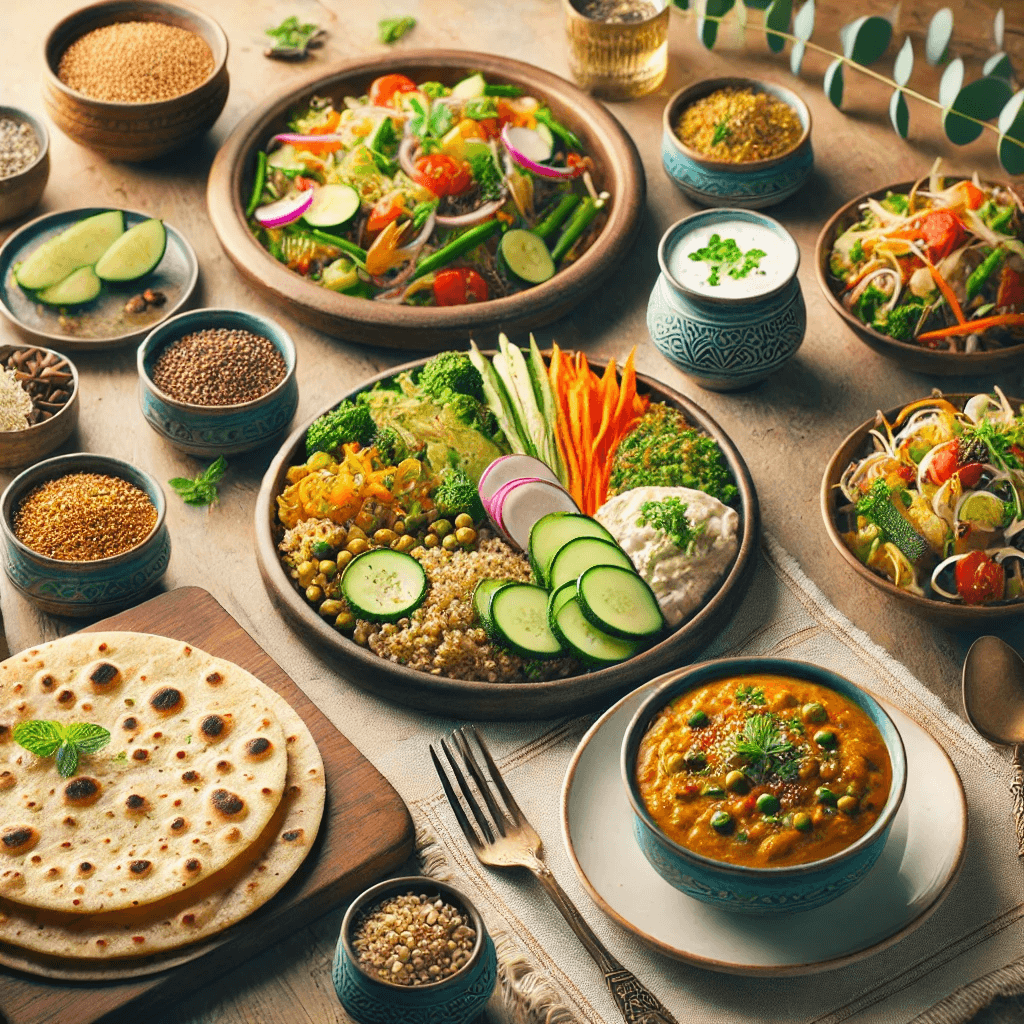
Easy Protein-Focused Home Meals
Protein-focused home meals are essential for maintaining strength, supporting muscle repair, and sustaining energy throughout the day. In Home Style Recipes cooking, protein is included in a balanced and approachable way, without heavy sauces or complicated preparation. These meals are designed to be easy to cook, gentle on digestion, and suitable for regular consumption.
Plant-based protein dishes are a common choice in daily cooking. Lentils, beans, and legumes are cooked using simple methods such as boiling or pressure cooking and lightly seasoned for flavor. These dishes are affordable, filling, and can be prepared in larger quantities to last multiple meals.
Plant-Based Protein Dishes
Legumes, beans, and lentils are central to Home Style Recipes cooking. Simple soaking and pressure cooking make them digestible and flavorful.
These dishes are economical and can be prepared in larger quantities for multiple meals.
Simple Dairy-Based Preparations
Curd-based dishes and lightly cooked paneer add protein and calcium. These are usually gently seasoned to maintain digestibility.
Everyday Non-Vegetarian Home Style Recipes
Home style non-vegetarian cooking emphasizes moderation. Light curries, stews, or shallow-fried preparations keep flavors balanced without excessive oil.
Dinner Home Style Recipes for Light and Comforting Meals
Dinner is best kept light and calming, allowing the body to unwind and prepare for rest. dinner Home Style Recipes focus on comfort, ease of digestion, and gentle flavors rather than richness or excess. These meals are designed to satisfy hunger without causing heaviness or discomfort at the end of the day.
One-pot meals are especially suited for dinner. Combining grains, vegetables, and a small portion of protein in a single dish simplifies cooking and cleanup. These meals provide balanced nutrition while keeping preparation stress-free and efficient.
Soups and broths are another ideal dinner option. Made from vegetables, lentils, or light protein sources, they are warm, soothing, and easy to digest. Slow simmering enhances flavor without the need for heavy seasoning or oil.
One-Pot Meals
One-pot meals reduce cleanup and effort. Combining grains, vegetables, and protein in a single pot creates wholesome dinners.
Soups and Broths
Light soups made from vegetables, lentils, or bones are ideal for evenings. They are easy to digest and calming after a long day.
Leftover-Based Dinners
Reusing lunch leftovers creatively avoids waste and saves time. Simple reheating with small adjustments keeps meals interesting.
Cooking Techniques That Simplify Daily Meals
Simple cooking techniques are the backbone of efficient daily meals. Home Style Recipes cooking relies on methods that save time, preserve nutrients, and reduce effort while still delivering satisfying results. These techniques are easy to master and practical for regular use.
Pressure cooking is one of the most effective techniques for daily meals. It significantly reduces cooking time for grains, lentils, and tougher vegetables while retaining flavor and nutrition. This method is especially helpful on busy days when time is limited.
Pressure Cooking
Pressure cooking reduces cooking time while preserving nutrients. It is especially useful for grains, lentils, and tougher vegetables.
Shallow Frying and Sautéing
These methods use less oil and allow better control over flavor and texture.
Slow Simmering
Slow cooking at low heat enhances flavor without constant attention. It suits stews, broths, and lentil dishes.
Managing Time in Daily Cooking
Managing time effectively is essential for maintaining a consistent daily cooking routine. Home style cooking is meant to fit into everyday life, not disrupt it. With small adjustments in planning and preparation, cooking can remain efficient without feeling rushed or overwhelming.
One effective approach is early preparation. Simple tasks such as washing vegetables, soaking lentils, or preparing dough in advance reduce pressure during actual cooking time. Even a few minutes of preparation earlier in the day can make evening meals much easier to manage.
Morning Preparation Strategies
Prepping ingredients in the morning or the night before makes evening cooking easier. Simple steps like washing vegetables or soaking lentils save time later.
Efficient Use of Cooking Time
Cooking multiple components simultaneously improves efficiency. While one dish cooks, another can be prepared or cleaned up.
Reducing Cleanup Effort
Using fewer utensils and one-pot methods reduces post-cooking fatigue, making daily cooking more sustainable.
Nutritional Balance in Home-Style Cooking
Nutritional balance is a defining strength of Home Style Recipes cooking. Everyday meals are built to nourish the body steadily rather than provide quick indulgence. This balance supports long-term health, consistent energy, and better digestion, making Home Style Recipes food suitable for daily consumption.
Carbohydrates form the foundation of most home meals. Grains such as rice or wheat provide the energy needed for daily activities. When consumed in appropriate portions, they support endurance without causing heaviness or sudden energy drops.
Carbohydrates for Energy
Staple grains provide the primary energy source. Choosing whole grains where possible improves fiber intake.
Proteins for Strength and Repair
Including lentils, dairy, eggs, or modest portions of meat ensures adequate protein.
Fats for Flavor and Absorption
Moderate use of cooking fats improves taste and nutrient absorption without excess.
Vegetables for Micronutrients
Daily vegetable intake supports immunity and digestion. Simple cooking preserves vitamins and minerals.
Adapting Home Style Recipes to Season and Availability
Home-style cooking thrives on flexibility, allowing meals to adapt to seasonal produce and ingredient availability. Seasonal cooking not only enhances flavor and freshness but also supports nutrition and affordability. Using ingredients at their peak ensures meals are naturally flavorful without relying on heavy spices or processed additives.
Flexible substitutions are a key aspect of daily cooking. If a particular vegetable or protein is unavailable, it can often be replaced with another without altering the essence of the dish. This adaptability prevents disruption in meal planning and reduces food waste. For example, spinach can replace kale in a stir-fry, or chickpeas can substitute lentils in a curry.
Seasonal Cooking Benefits
Seasonal produce tastes better, costs less, and aligns with natural nutritional needs.
Flexible Substitutions
Home style recipes allow easy substitution. One vegetable can replace another without altering the essence of the dish.
Adjusting Spices and Flavors
Spice levels can be adjusted based on climate, health, and personal preference.
Common Challenges in Daily Home Cooking
Daily home cooking, while rewarding, comes with its own set of challenges that can make the routine feel exhausting or monotonous. Recognizing these obstacles is the first step toward managing them effectively and maintaining a sustainable cooking practice.
One common challenge is cooking fatigue. Preparing meals every day can become repetitive, especially when the same ingredients and techniques are used repeatedly. This can lead to reduced motivation or creative burnout. Introducing small variations in spices, vegetables, or preparation methods can help maintain interest without complicating the process.
Limited time is another significant challenge. Balancing work, family, and other responsibilities often leaves little room for cooking.
Cooking Fatigue
Repetition can lead to boredom. Small variations in spices or presentation help maintain interest.
Limited Time
Simple Home Style Recipes and planning prevent cooking from becoming overwhelming.
Balancing Health and Taste
Home-style cooking achieves balance by avoiding extremes, focusing on moderation rather than restriction.
The Cultural Importance of Home-Style Food
Home-style food carries emotional value. Home Style Recipes are often passed down through generations, evolving with each household. These meals reflect culture, region, and family traditions more accurately than any written cookbook.
Daily cooking is also a form of care. Preparing food at home connects people, reinforces routines, and provides comfort in uncertain times.
The Modern Relevance of Simple Home Cooking
In an age of fast food and instant meals, Home Style Recipes cooking stands as a counterbalance. It offers control over ingredients, supports long-term health, and reduces dependency on processed foods.
Simple Home Style Recipes encourage consistency, making healthy eating achievable rather than aspirational.
Final Thoughts
Simple home style recipes are the foundation of daily nourishment. They do not aim to impress but to sustain. Through basic ingredients, familiar techniques, and thoughtful preparation, home-style cooking supports both physical health and emotional well-being.
By understanding principles, maintaining a functional kitchen, and embracing flexibility, daily cooking becomes manageable rather than burdensome. These meals, prepared quietly and repeatedly, shape habits, health, and memories over time.
In the end, simple Home Style Recipes cooking is not about perfection. It is about presence, balance, and the quiet satisfaction of a meal made at home, every day.
