

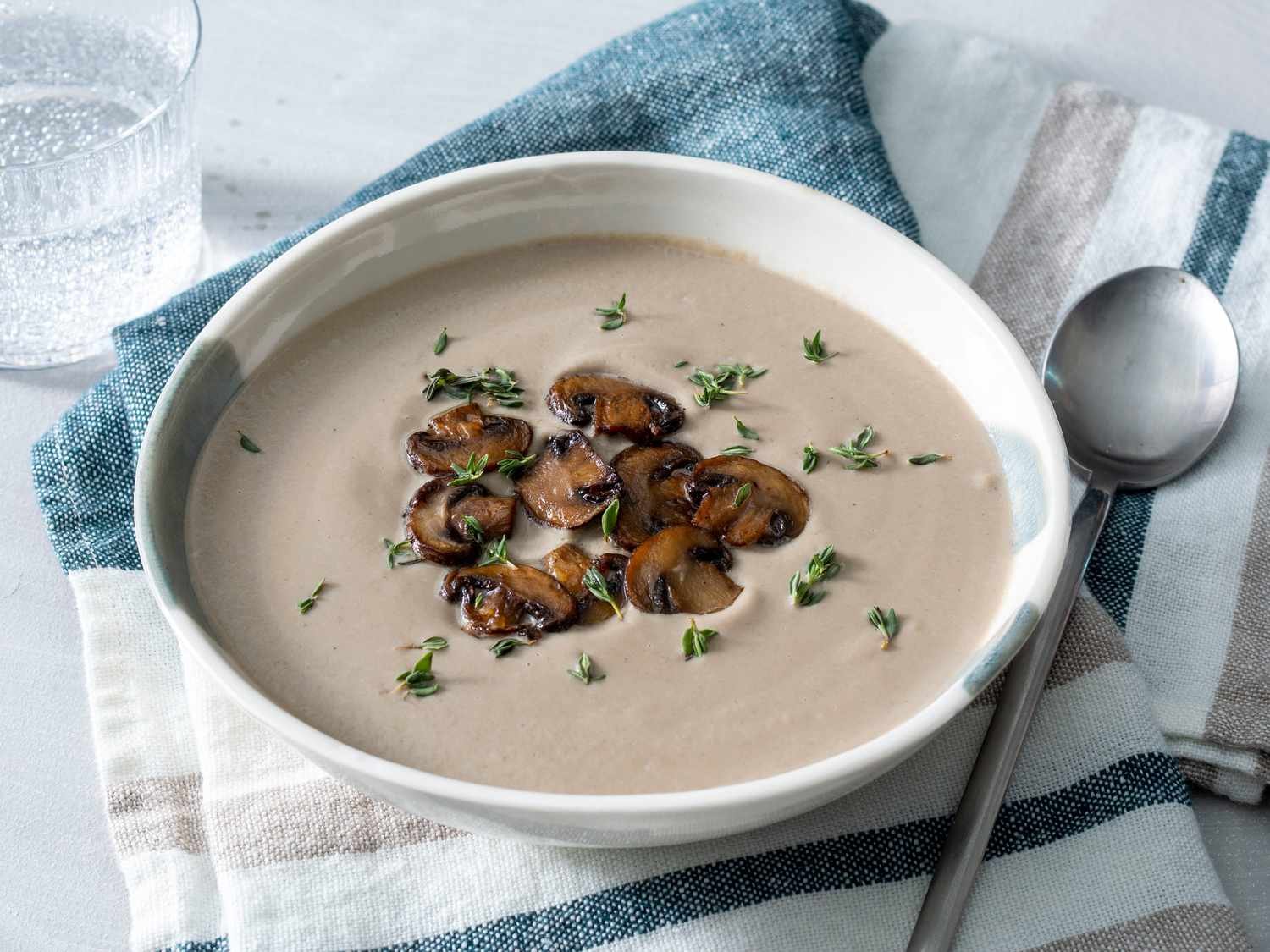
Overview Table
| Aspect | Details |
|---|---|
| Dish Type | Soup |
| Flavor Profile | Earthy, savory, creamy, aromatic |
| Primary Ingredients | Mushrooms, garlic, herbs, cream |
| Texture | Smooth or lightly chunky |
| Cooking Method | Sautéing, simmering, blending |
| Skill Level | Beginner to intermediate |
| Serving Temperature | Hot |
| Meal Role | Starter, light main, comfort food |
| Customization | High |
| Dietary Flexibility | Easily adaptable |
Introduction
Creamy Garlic Mushroom Soup with Herbs is a dish that sits at the intersection of comfort food and culinary craft. It is simple in appearance yet complex in flavor, relying on technique, ingredient balance, and timing rather than extravagance. This Mushroom Soup represents how everyday ingredients such as mushrooms, garlic, herbs, and cream can be transformed into something refined, nourishing, and deeply satisfying.
Across home kitchens and professional settings alike, this Mushroom Soup has earned its place as a reliable staple. It adapts well to seasonal changes, dietary preferences, and regional variations. Whether served as a starter, a light meal, or an accompaniment to bread and salads, it delivers warmth and depth without overwhelming the palate.
The following article explores Creamy Garlic Mushroom Soup with Herbs from multiple perspectives. It examines ingredients, preparation techniques, flavor chemistry, nutritional aspects, variations, cultural relevance, and serving philosophy. The tone blends narrative storytelling with analytical and technical insight, presenting the dish not merely as a recipe, but as a culinary experience shaped by method and intention.
The Essence of Mushroom-Based Soups
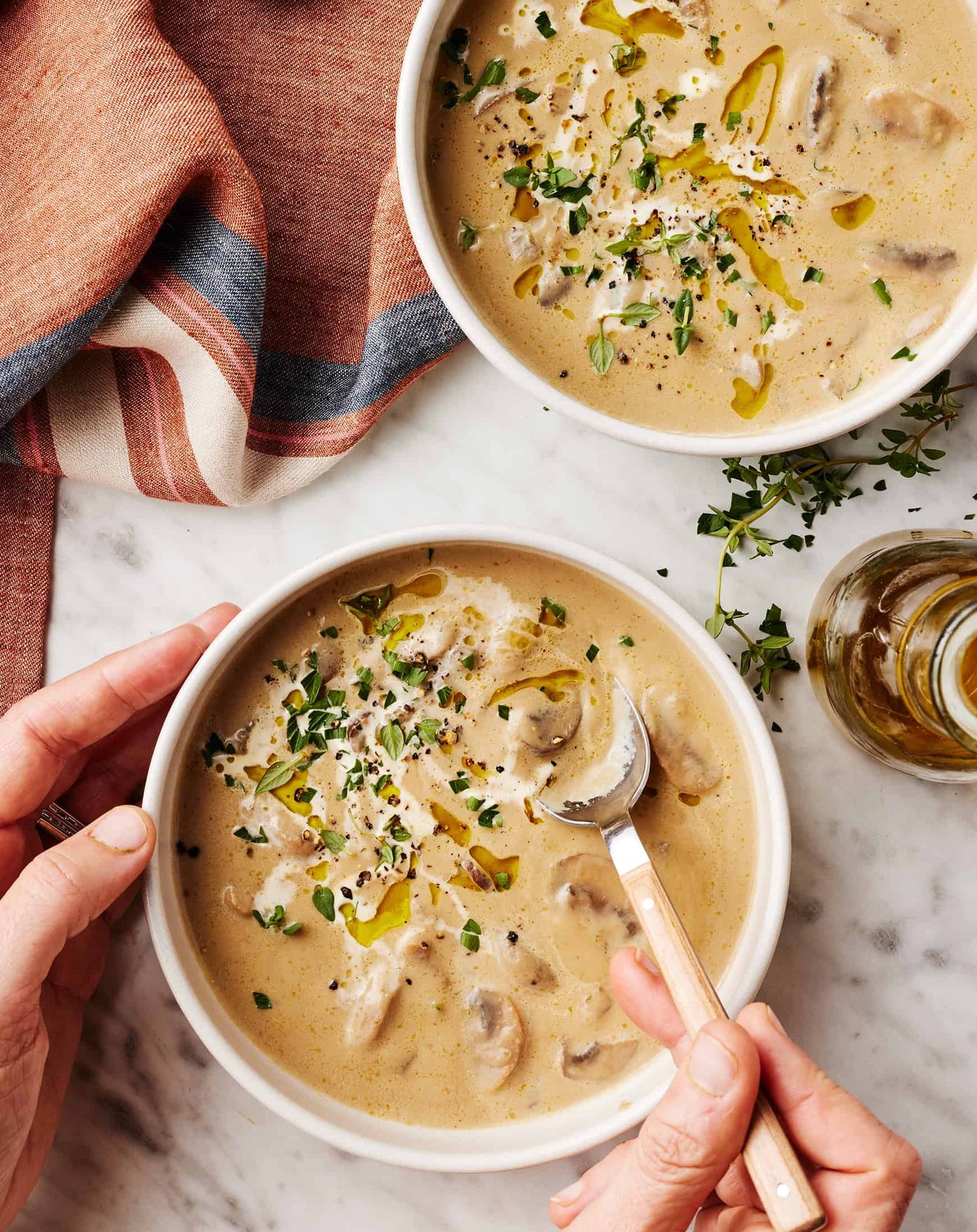
Mushroom-based soups derive their character from the natural depth and complexity of mushrooms themselves. Unlike many vegetables, mushrooms contain compounds that create umami, a savory quality that gives Mushroom Soups richness without relying heavily on spices or meat-based ingredients. When cooked slowly, mushrooms release moisture and flavor simultaneously, forming a concentrated base that feels hearty yet refined. This quality makes them uniquely suited for soups that aim to be comforting while still nuanced.
Mushrooms as a Culinary Foundation
Mushrooms occupy a unique position in cooking. Neither vegetable nor meat, they provide umami richness that bridges the gap between plant-based and hearty flavors. In Mushroom Soup form, mushrooms release their moisture and compounds into the cooking liquid, creating depth without reliance on heavy seasoning.
In Creamy Garlic Mushroom Soup, mushrooms act as the structural backbone. Their earthy aroma sets the tone, while their texture determines whether the Mushroom Soup feels rustic or refined. Different varieties contribute distinct characteristics, allowing cooks to subtly alter the final result without changing the core recipe.
Why Cream Complements Mushrooms
Cream introduces fat, which is essential for carrying flavor. Mushroom compounds dissolve readily in fat, meaning cream amplifies their taste rather than masking it. The result is a rounder, fuller mouthfeel that lingers pleasantly after each spoonful.
The balance between cream and broth defines the soup’s identity. Too much cream overwhelms the mushrooms; too little leaves the Mushroom Soup thin and sharp. Achieving harmony is a technical decision informed by experience and preference.
Garlic: The Aromatic Backbone
The impact of garlic depends largely on technique. Gentle sautéing in fat allows its sulfur compounds to soften, releasing aroma while reducing harshness. This controlled cooking ensures that garlic supports the Mushroom Soup rather than dominating it. Finely chopped garlic disperses evenly throughout the dish, while sliced or crushed cloves introduce more pronounced bursts of flavor, allowing subtle customization without altering the core structure.
Garlic as a Structural Flavor
Garlic is not merely a seasoning in this soup; it is a structural element. When gently sautéed, garlic becomes sweet and aromatic, forming a flavor base that supports the mushrooms rather than competing with them.
The quantity and treatment of garlic significantly affect the outcome. Finely minced garlic disperses evenly, while sliced cloves create pockets of intensity. Roasting or slow-cooking garlic before adding it to the soup introduces caramelized notes that deepen complexity.
Timing and Technique
Garlic must be handled with care. Added too early at high heat, it burns and introduces bitterness. Added too late, it tastes raw and harsh. In Creamy Garlic Mushroom Soup, garlic is typically added after onions or shallots have softened, allowing it to bloom gently in fat before mushrooms release their moisture.
The Role of Herbs in Flavor Architecture
Herbs play a defining role in shaping the flavor architecture of soups by adding structure, contrast, and balance. In creamy mushroom-based preparations, herbs act as a counterweight to richness, preventing the dish from feeling heavy or one-dimensional. Their aromatic oils introduce brightness and complexity, guiding how flavors unfold from the first taste to the finish.
Fresh Versus Dried Herbs
Herbs bring brightness and balance to an otherwise rich dish. Fresh herbs such as thyme, parsley, rosemary, or chives contribute aromatic oils that lift the Mushroom Soup. Dried herbs offer concentrated, earthy notes that integrate seamlessly during longer simmering.
Choosing between fresh and dried herbs depends on availability and desired effect. Fresh herbs are often added toward the end to preserve their character, while dried herbs are incorporated earlier to mellow and blend.
Herb Pairing Principles
Not all herbs suit mushrooms equally. Woody herbs such as thyme and rosemary echo the forest-like qualities of mushrooms. Softer herbs like parsley provide contrast and freshness. Successful pairing relies on restraint, ensuring herbs enhance rather than dominate.
Ingredient Breakdown and Functional Roles
Every component in Creamy Garlic Mushroom Soup with Herbs serves a specific functional purpose, contributing to flavor, texture, and structure. Understanding these roles allows for better control over the final outcome and ensures consistency in taste and quality.
Mushrooms
Mushrooms provide umami, texture, and body. Common choices include button mushrooms for neutrality, cremini for depth, and shiitake for intensity. Mixing varieties introduces complexity.
Aromatics
Onions, shallots, and garlic form the aromatic base. They establish sweetness and savoriness that balance creaminess.
Fat Component
Butter or oil initiates flavor development through sautéing. Cream finishes the Mushroom Soup, adding richness and viscosity.
Liquid Base
Vegetable or light stock supports flavor extraction without overpowering mushrooms. Water can be used for a cleaner profile, relying on mushrooms for depth.
Seasoning
Salt enhances natural flavors. Black pepper adds warmth. Optional spices remain subtle to avoid masking the core ingredients.
Step-by-Step Culinary Logic
Step-by-step culinary logic refers to the structured thinking, planning, and execution behind creating a dish. It demonstrates how a participant moves logically from concept to completion, ensuring that every decision—ingredients, techniques, timing, and presentation—supports flavor, efficiency, and cultural authenticity. In the Pride of India context, this logic must respect traditional wisdom while applying modern precision.
Building the Base
The process begins with gentle sautéing. Aromatics soften in fat, releasing sugars and aromas. Mushrooms follow, cooking until their moisture evaporates and they develop color. This stage is crucial for depth.
Deglazing and Simmering
Liquid is added to lift browned bits from the pot, incorporating them into the Mushroom Soup. Simmering allows flavors to meld and mushrooms to soften fully.
Blending and Textural Decisions
The Mushroom Soup may be blended fully for a silky texture or partially for a rustic feel. Blending technique affects mouthfeel and visual appeal.
Finishing Touches
Cream is added toward the end to prevent separation. Herbs and final seasoning adjust balance. Gentle reheating preserves creaminess.
Texture as a Design Choice
Texture defines how the soup is perceived. A smooth soup feels elegant and refined, while a chunky version feels hearty and home-style. The choice reflects the intended dining experience.
Blending tools influence outcome. Immersion blenders allow control, while countertop blenders create uniformity. Over-blending can dull flavor by incorporating excess air.
Nutritional Perspective
The nutritional perspective evaluates a dish based on its health value, balance, and mindful use of ingredients without compromising taste or cultural authenticity. In the Pride of India context, it highlights India’s traditional wisdom of Ayurveda, regional diets, and seasonal eating, blended with modern nutritional awareness.
Macronutrient Balance
Creamy Garlic Mushroom Soup provides fats from cream, carbohydrates from aromatics, and modest protein from mushrooms. While not high in protein, it offers satiety due to fat content.
Micronutrient Contribution
Mushrooms contribute minerals and compounds associated with immune support. Garlic adds antioxidants. Herbs supply trace nutrients and aromatic compounds.
Customization for Dietary Needs
Cream can be adjusted or replaced to suit preferences. Portion size determines caloric impact, making the soup adaptable to different eating patterns.
Cultural and Seasonal Relevance
Cultural and seasonal relevance measures how effectively a dish reflects India’s regional traditions, local customs, and seasonal wisdom. In Indian cuisine, food is deeply connected to climate, agriculture, festivals, and community practices. This criterion ensures that culinary creations honor authentic roots while remaining contextually appropriate and meaningful.
Comfort Food Identity
This soup is closely associated with comfort and warmth. It is often prepared during cooler months, served as a remedy for fatigue or cold weather.
Restaurant and Home Kitchen Presence
In restaurants, Creamy Garlic Mushroom Soup often appears as a starter, signaling refinement and familiarity. At home, it serves as a dependable dish that feels special without being complicated.
Variations Without Losing Identity
Variations without losing identity refer to the ability to adapt, modernize, or reinterpret a traditional dish while preserving its cultural essence, flavor profile, and emotional significance. In the Pride of India context, innovation is encouraged—but never at the cost of authenticity. The soul of the dish must remain recognizable.
Rustic Country Style
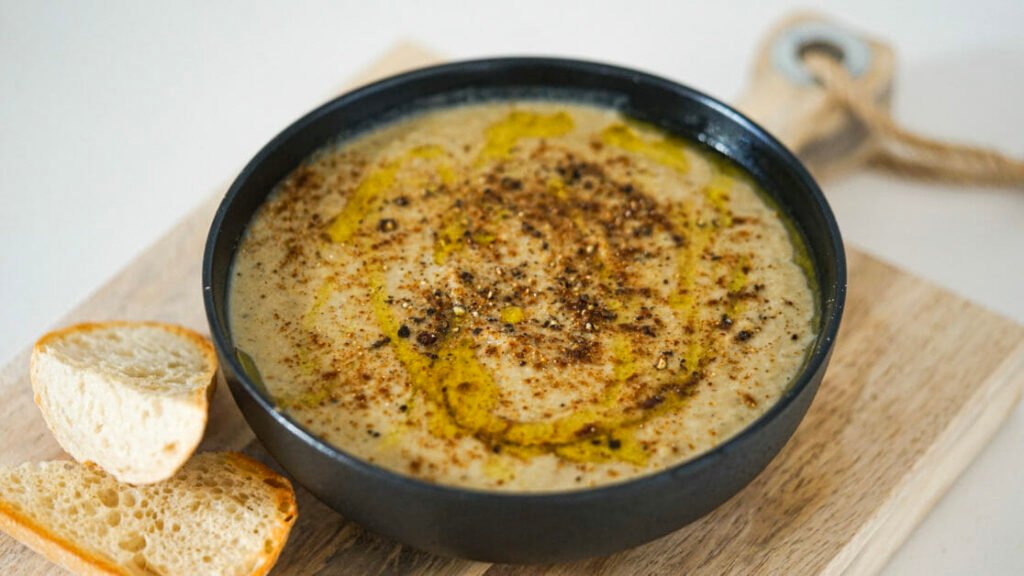
Leaving mushrooms chunky, using minimal cream, and adding crusty bread transforms the soup into a rustic meal.
Refined Bistro Style
Fully blended texture, strained consistency, and delicate herb garnish create a restaurant-style presentation.
Herb-Forward Interpretation
Increasing herb presence shifts focus toward freshness, balancing richness.
Garlic-Intensive Version
Roasted garlic creates sweetness and depth for garlic enthusiasts.
Common Mistakes and How to Avoid Them
Even skilled participants can lose marks due to conceptual, cultural, or technical errors. This section highlights frequent mistakes observed in culinary competitions and provides practical guidance on how to avoid them, ensuring dishes remain authentic, balanced, and competition-ready.
Under-Cooking Mushrooms
Insufficient cooking leaves mushrooms watery and bland. Patience during sautéing is essential.
Overpowering with Cream
Excess cream masks mushroom flavor. Balance is key.
Poor Seasoning Control
Under-salting dulls flavor, while over-salting overwhelms subtle notes. Gradual adjustment ensures harmony.
Serving Philosophy
Serving philosophy defines how a dish is presented and experienced by judges, audience, or guests. It reflects the participant’s understanding of culinary purpose, cultural context, and audience engagement, ensuring the creation is not only tasty but also meaningful and memorable. In the Pride of India context, serving philosophy emphasizes authenticity, storytelling, and sensory experience.
Presentation Matters
Simple garnishes such as herb sprigs or a drizzle of cream add visual appeal without distraction.
Pairing Considerations
The soup pairs well with bread, salads, or light mains. Neutral accompaniments allow the soup to shine.
Portioning
As a starter, smaller portions emphasize elegance. As a meal, larger servings provide comfort and satisfaction.
Storage and Reheating Insights
The soup stores well under refrigeration. Gentle reheating prevents cream separation. Stirring ensures even temperature and texture.
Freezing is possible, though texture may change slightly. Adjusting cream after reheating restores balance.
The Enduring Appeal of Creamy Garlic Mushroom Soup
Creamy Garlic Mushroom Soup with Herbs endures because it respects fundamentals. It relies on technique, patience, and understanding of ingredients rather than novelty. Each element serves a purpose, contributing to a cohesive whole that feels both indulgent and grounded.
This soup demonstrates how thoughtful cooking transforms simple components into something memorable. It invites experimentation while rewarding restraint. Whether prepared for a quiet evening or presented as part of a larger meal, it remains a testament to the power of balance, aroma, and method in everyday cooking.
Conclusion
Creamy Garlic Mushroom Soup with Herbs stands as a quiet example of how thoughtful cooking can elevate everyday ingredients into a dish of lasting appeal. Its strength does not lie in complexity or extravagance, but in balance. Mushrooms bring earthiness and umami, garlic adds aromatic depth, herbs provide freshness, and cream binds everything together into a cohesive, comforting whole. Each element plays a precise role, and when handled with care, none overwhelms the others.
What makes this soup enduring is its adaptability. It can be rustic or refined, light or indulgent, smooth or textured, depending on technique and intent. The same foundational method supports countless variations without compromising the dish’s identity. This flexibility allows it to move effortlessly between home kitchens and professional menus, between weeknight dinners and curated meals.
From a technical perspective, the soup rewards patience and attention. Proper sautéing, controlled simmering, careful blending, and balanced seasoning all contribute to its final character. From a narrative standpoint, it reflects comfort, warmth, and familiarity, often associated with slower meals and mindful eating. Analytically, it demonstrates how fat, aromatics, and umami-rich ingredients interact to create depth without excess. Journalistically, it represents a timeless dish that continues to hold relevance across changing food trends.
